
Electrical Infrastructure Planning for Port EV Charging
What to Do Before You Buy a Single Charger
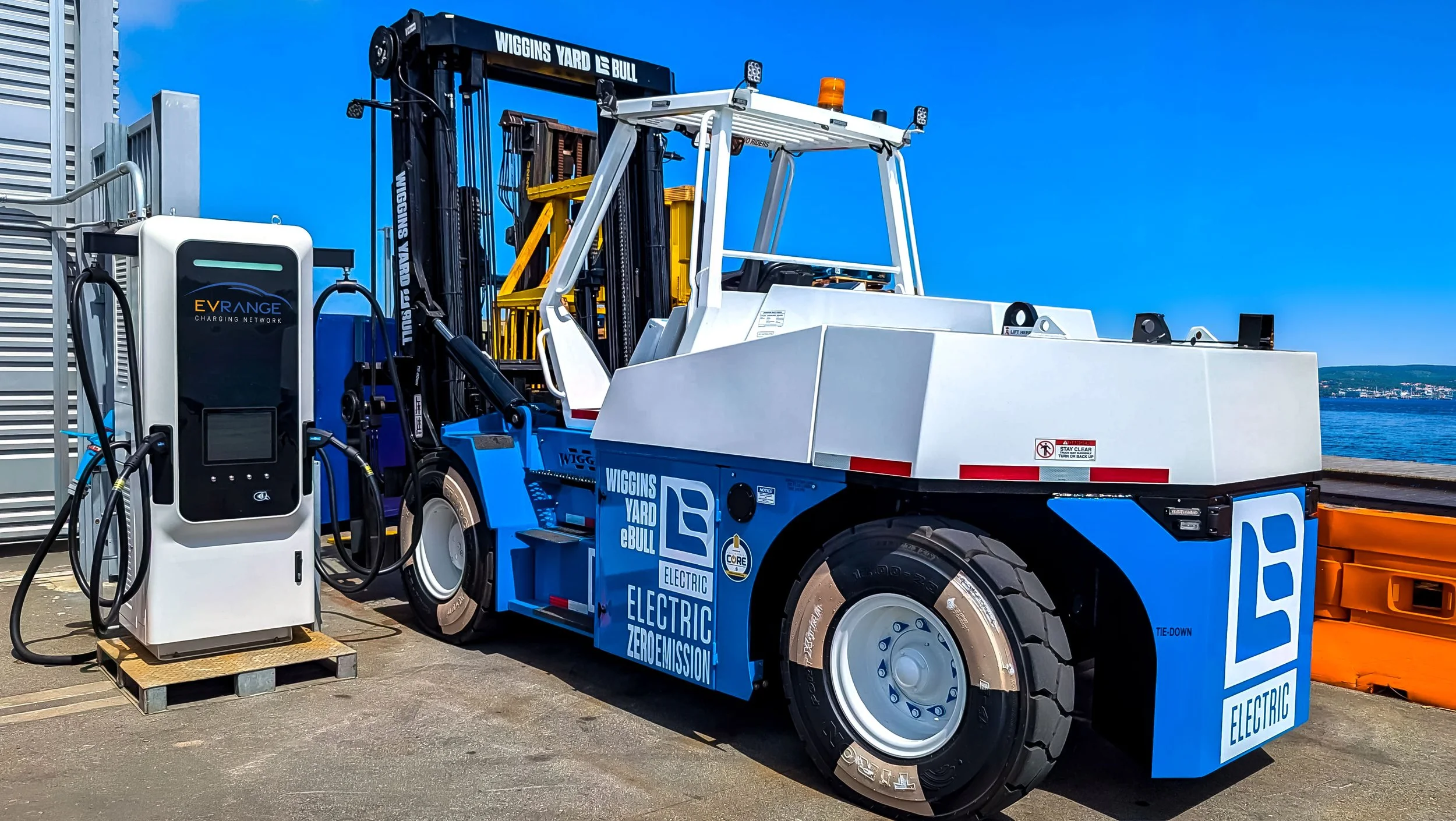
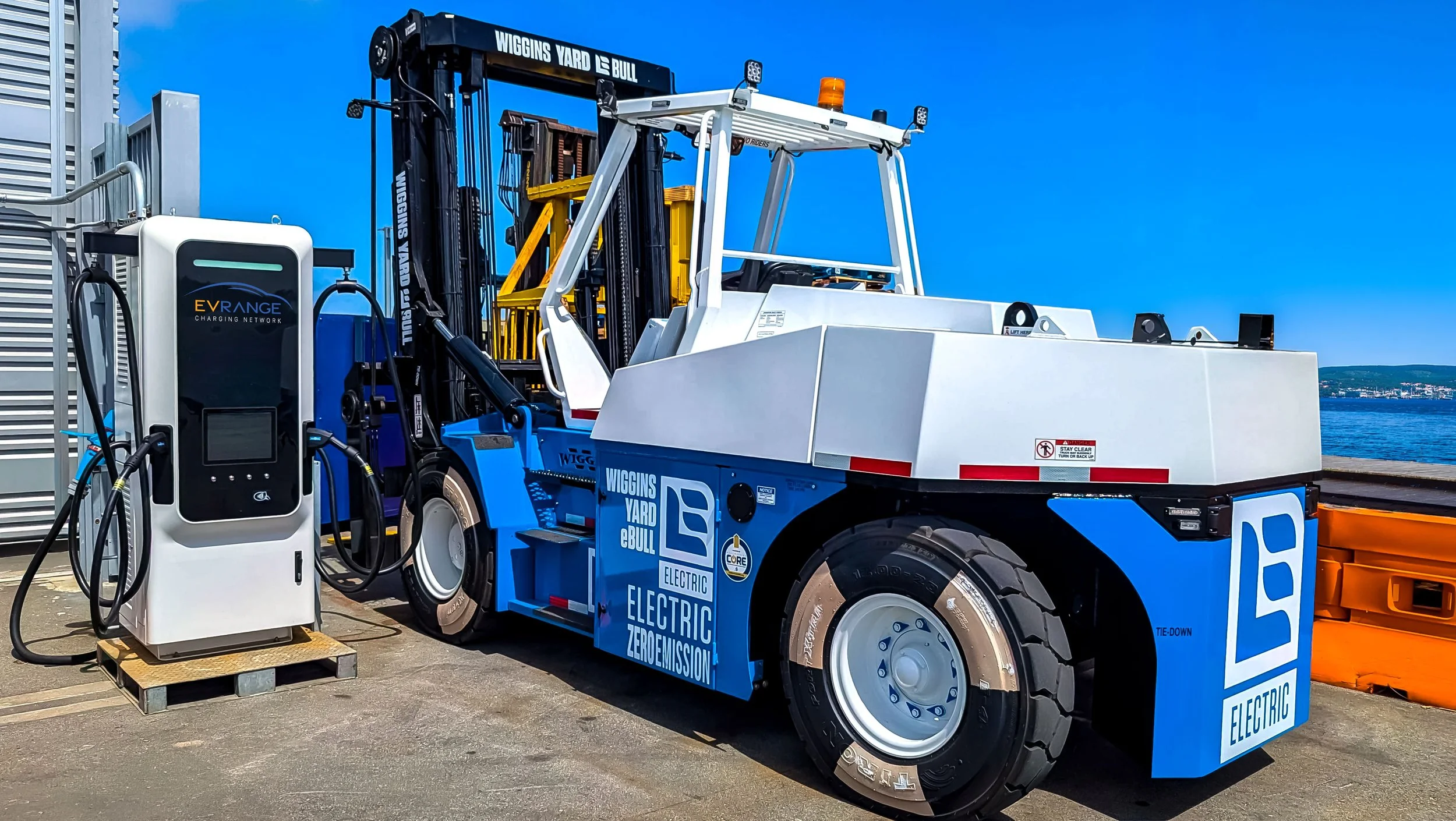
Wiggins Yard eBull electric heavy-duty forklift next to an EV Range DC fast charging station at a port terminal waterfront.
Port operators across the country are making the same mistake. They approve the capital budget for electric yard tractors, terminal tractors, or drayage trucks, identify a charging vendor, and begin procurement. Months later, they discover that the electrical infrastructure required to power that equipment does not exist on their site in any usable form.
The utility has a 14-month backlog for service upgrades. The transformer serving their terminal is undersized by a factor of three. The conduit runs needed to reach the charging area would require excavating under active pavement. In these cases, the electric equipment arrives on schedule. The charging infrastructure does not.
This is not a vendor problem or a technology problem. It is a sequencing problem. Electrical infrastructure planning for port EV charging must begin before equipment procurement, not after. This post covers every phase of that planning process.
Why Electrical Infrastructure is the "Actual" Project
When a port terminal transitions from diesel to electric equipment, the operational challenge shifts from fuel logistics to power logistics. Diesel is relatively simple. A fuel truck makes deliveries, tanks are filled, and equipment runs. The constraints are storage, delivery scheduling, and cost.
Electric equipment operates on an entirely different model. Power must be available at specific locations, at specific voltages and amperage levels, continuously and reliably. A depot charging 10 electric yard tractors or terminal tractors simultaneously can require 1 to 3.5 megawatts of power. That is equivalent to the electrical demand of a small industrial facility.
For ports planning to electrify 50 to 100 or more pieces of heavy equipment, the aggregate power requirements often exceed what terminal systems were designed to support. For context on these scaling challenges, the EPA’s Shore Power Technology Assessment provides a baseline for how electrification shifts grid demands.
Step One: Commission a Site Assessment Before Anything Else
A site assessment is the foundation of any port electrification project. It answers the most basic questions before capital is committed and contracts are signed.
The assessment evaluates the existing electrical service capacity at the site, including the utility service entrance, main switchgear, transformer ratings, and available panel capacity. It maps current electrical loads against planned charging loads to determine whether the existing service can support the project or whether new service is required. It identifies the physical pathway from the power source to the planned charger locations, including conduit routing options, trenching requirements, and potential conflicts with existing underground utilities.
Cleantek, EV Range’s in-house engineering, procurement, and construction division, conducts electrical capacity reviews and site assessments as the first step in every port and industrial charging deployment. The assessment informs project sequencing, budget accuracy, and utility coordination strategy before any equipment is specified or purchased.
Step Two: Engage the Utility Earlier Than You Think Is Necessary
Utility coordination is the phase that most port electrification projects underestimate. The standard guidance is to contact your utility 12 to 18 months before you need power available. For large port deployments requiring transformer upgrades, new feeder installations, or substation work, that window can extend to 24 months or beyond.
When you request new or expanded electrical service, the utility must conduct its own load study. If the grid in your area is constrained, which is common in industrial zones where multiple electrification projects are competing for the same infrastructure, the utility may require grid upgrades that are fully outside your control.
The correct approach is to initiate utility contact immediately after completing your site assessment. Submit a load letter with your projected load requirements and phased build-out schedule. Request a grid capacity study for your location. Ask specifically about make-ready programs, like Southern California Edison’s Charge Ready Transport, which can cover a significant portion of the electrical infrastructure costs.
Step Three: Understand the Electrical Upgrade
For port operators without an electrical engineering background, the scope of a high-power EV charging infrastructure upgrade can be difficult to visualize. The following covers the major components in plain terms.
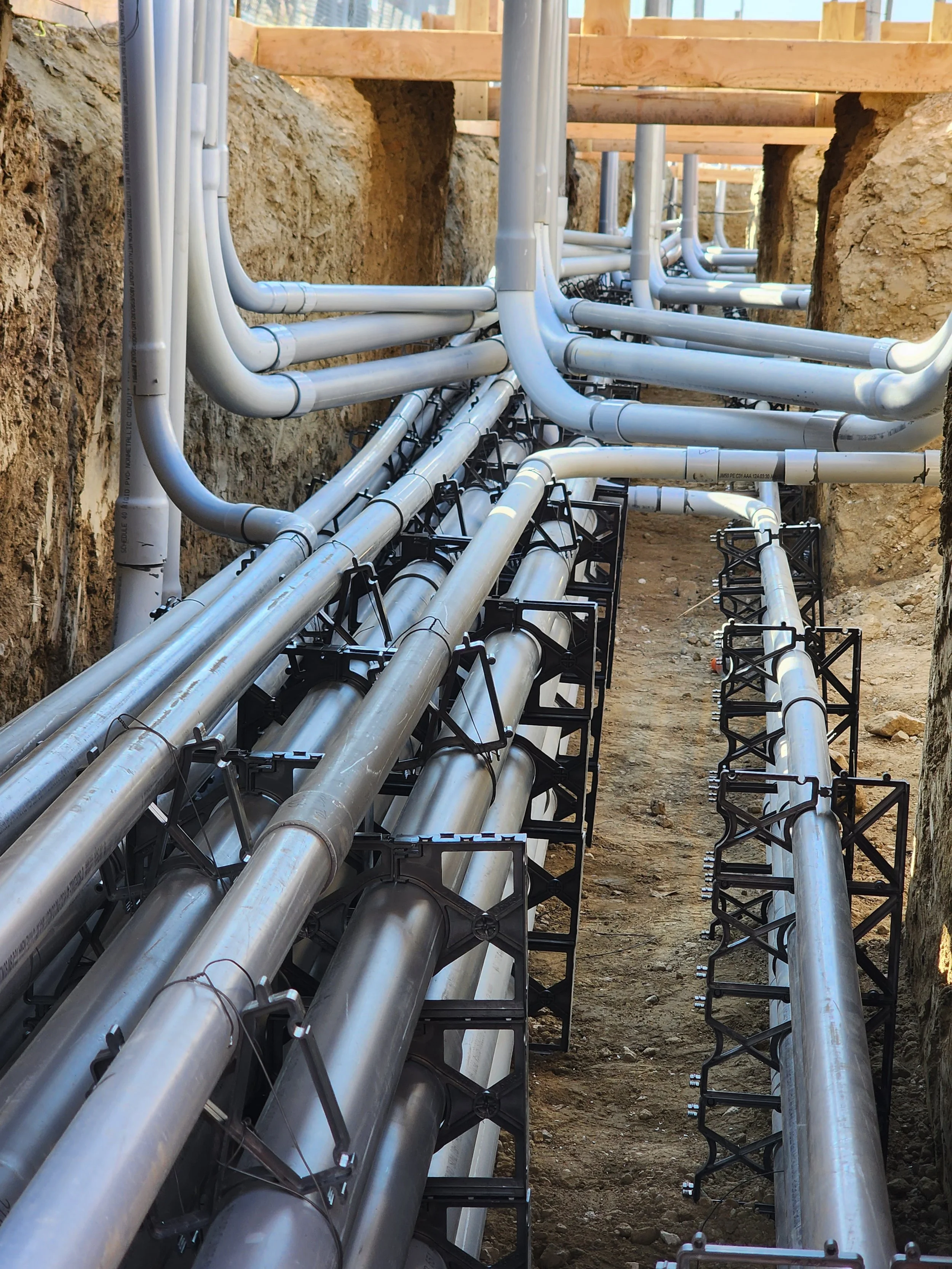
A high-power underground conduit installation at the Port of Long Beach. Building infrastructure for heavy-duty semi truck charging requires specialized trenching and capacity planning to ensure long-term fleet scalability.
Transformer Sizing and Replacement: The transformer converts high-voltage utility power to the 480V three-phase service used by most DC fast charging equipment. If your current transformer lacks capacity, it must be replaced or supplemented. Transformer procurement currently involves lead times of 3 to 12 months.
Switchgear and Distribution Panels: Switchgear routes power from the transformer to the various circuits in the facility. At port scale, dedicated EV distribution switchgear is often the appropriate approach, keeping charging loads on a separate electrical system from terminal operations.
Conduit and Trenching: Conduit is the protective pathway through which electrical conductors run from the power source to the charging stations. Trenching across large areas of active pavement is expensive, disruptive, and time-consuming.
The single most common mistake is installing conduit sized only for today's load. The cost of re-trenching two years later is five to ten times what it would have cost to install correctly sized conduit originally. The correct approach is to install conduit sized for the five-year fleet plan during initial construction.
Step Four: Plan for Smart Load Management from the Start
The electrical infrastructure capacity required for a port charging deployment is not simply the sum of all charger nameplate ratings. Smart load management changes the math significantly.
Without load management, if 20 yard tractors all plug in at shift change, the demand spike can exceed your service capacity and generate massive demand charges. The EVR platform’s intelligent load management dynamically allocates available power across all active charging sessions in real time.
Co-located battery storage adds another layer of flexibility. For ports pursuing the Inflation Reduction Act’s Section 48E Investment Tax Credit, this infrastructure investment can also qualify for a federal tax credit of up to 30 percent of the project cost.
Step Five: AHJ Coordination and Permitting
Port charging infrastructure projects intersect with multiple permitting authorities. The local Authority Having Jurisdiction (AHJ) issues electrical permits and inspects the completed installation. The utility has its own interconnection requirements. Port authority facilities may have additional permitting layers specific to the port district.
Cleantek's deployment experience across dozens of complex industrial environments includes active management of the AHJ and permitting process. Understanding which jurisdictions require specific documentation formats is operational knowledge that comes from repeated experience, not from reading the code once.
Step Six: Size for the Fleet You Are Building, Not the Pilot
Port electrification programs do not end with the pilot. Every operator who begins with 10 electric yard tractors has a long-term plan that includes significantly more. This follows the strategic recommendations in the Joint Office of Energy and Transportation’s Medium- and Heavy-Duty Charging Guide, which emphasizes scalable design.
The correct approach during initial infrastructure design is to install transformer capacity, panel infrastructure, and conduit for the five-year fleet plan. The EVR platform is designed to manage portfolios across multiple locations with shared reporting and control. As additional chargers are commissioned, they join the existing network, and the physical infrastructure should be designed to do the same.
The Planning Sequence: A Practical Checklist
Commission a site assessment and electrical capacity review before any equipment procurement decisions are finalized.
Identify the gap between existing electrical service and projected charging load requirements.
Contact the utility immediately after the site assessment and submit a load letter.
Engage an EPC contractor with experience in high-power industrial charging.
Size conduit, transformer capacity, and panel infrastructure for the five-year fleet plan.
Incorporate smart load management into the electrical infrastructure sizing calculations.
Evaluate co-located battery storage as both a demand management tool and a tax credit opportunity.
Coordinate AHJ permitting in parallel with utility coordination.
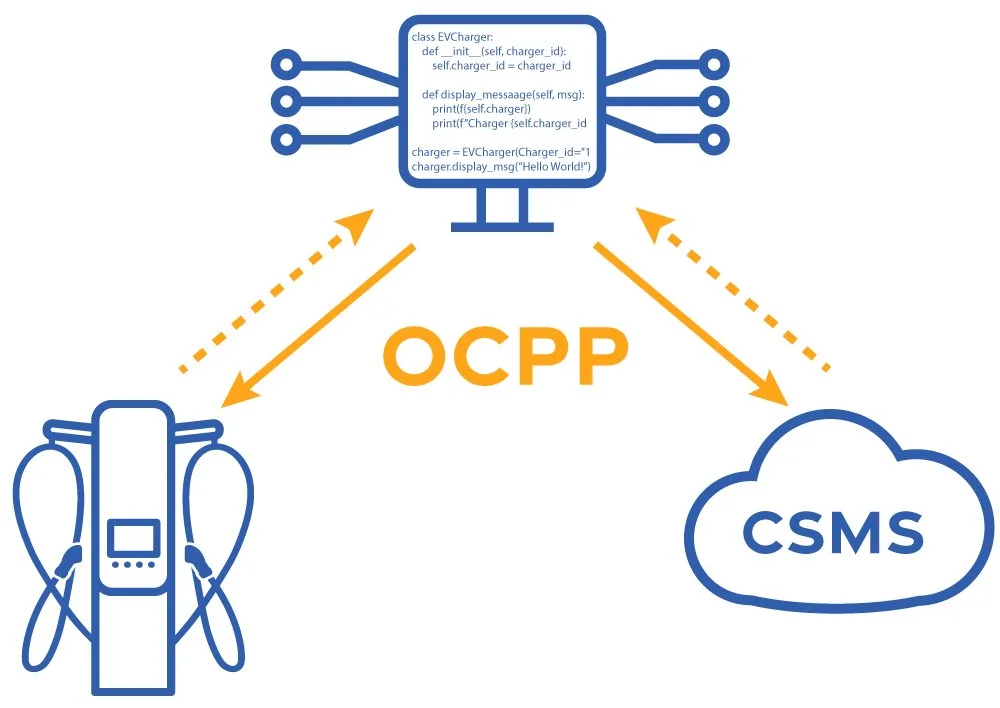
Establish the charging management software platform before the first charger is energized.
What EV Range and Cleantek Bring to This Work
EV Range provides a full-stack backend charger management platform, custom-branded driver apps, and comprehensive support services designed to maximize uptime and the user experience. Our wholly owned EPC subsidiary, Cleantek, handles the physical infrastructure side of industrial deployments. Notably, Cleantek has managed the installation of high-power chargers for heavy-duty semi truck charging at the Port of Long Beach and other locations.
Beyond infrastructure, EV Range has established itself as a trusted partner for terminal electrification, working closely with industry leaders such as Yusen Terminals, Dole, SSA Marine, and others. Our deep technical integration with heavy equipment manufacturers—including Taylor Machine Works and XL Lifts—ensures that the software and hardware work in perfect synchronization.
The work covers every phase described in this post: from initial site assessments and utility coordination to construction management and final commissioning. Once the infrastructure is energized, the EV Range platform provides the real-time load management, 24/7 monitoring, and proactive diagnostics required for high-stakes terminal environments.
If your port authority is in the planning phase for fleet electrification, the right first conversation is about your existing electrical infrastructure, not about charger models or software platforms. Start with what you have. Build a clear picture of what the project actually requires. That sequence is what gets electric equipment running on time.
Have a port electrification project in early planning? Contact EV Range to schedule an electrical capacity review and site assessment.

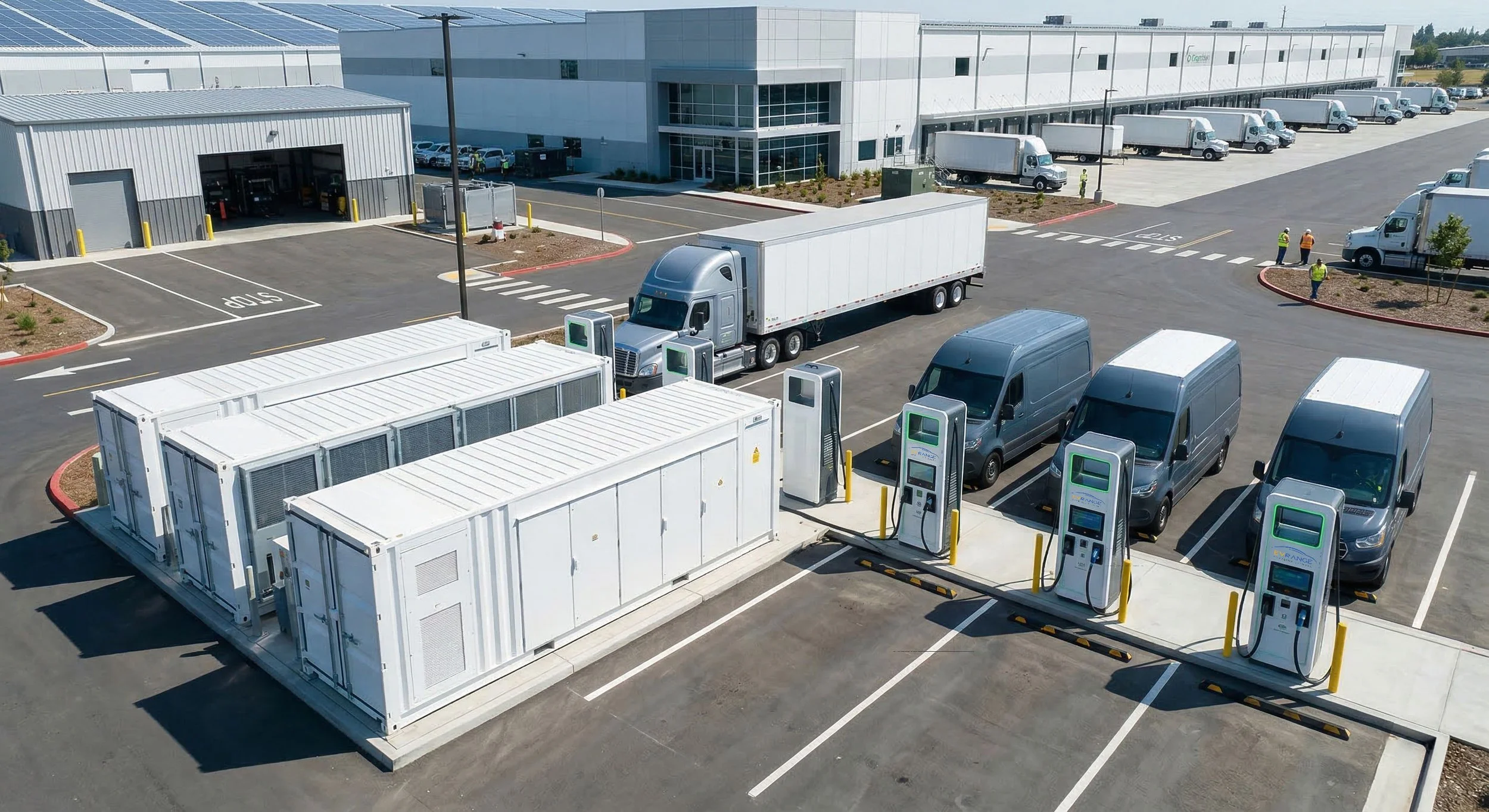

EV Range is currently offering a limited portfolio of shovel-ready, 30C-eligible sites available for immediate deployment. For investors and commercial operators, the primary barrier to maximizing infrastructure ROI is the time required to identify, license, and engineer compliant locations before federal deadlines. We have removed that barrier.