The Used EV Boom Is Real and It's About to Change Who's Plugging In
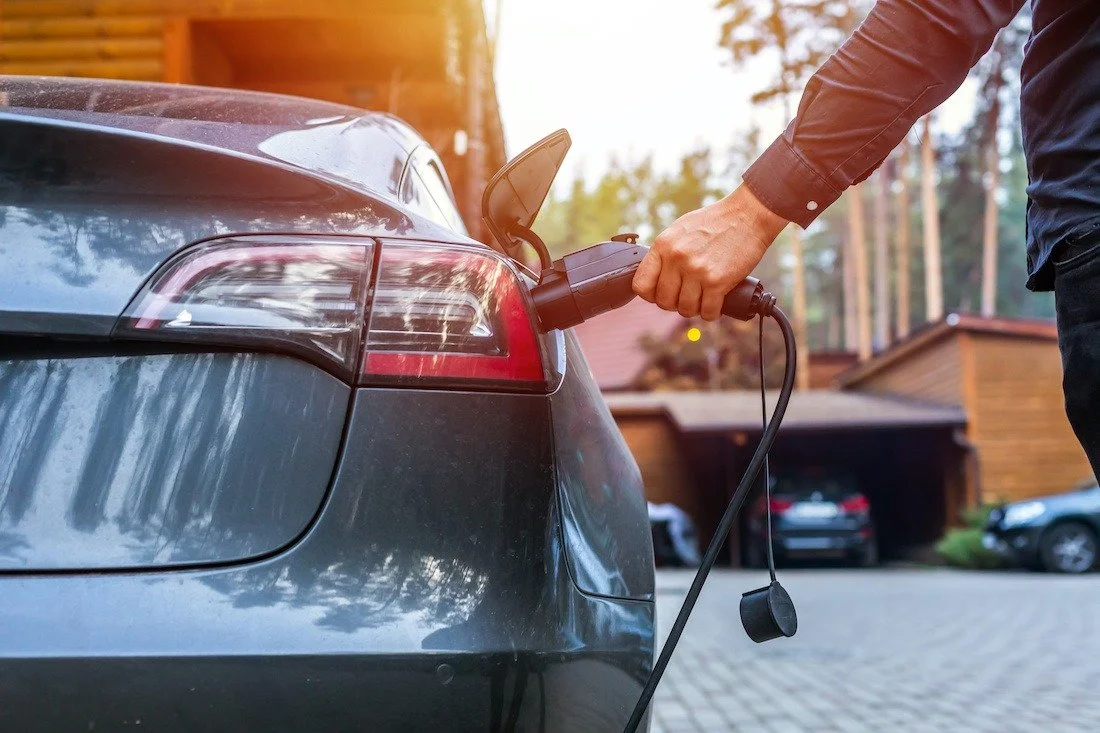
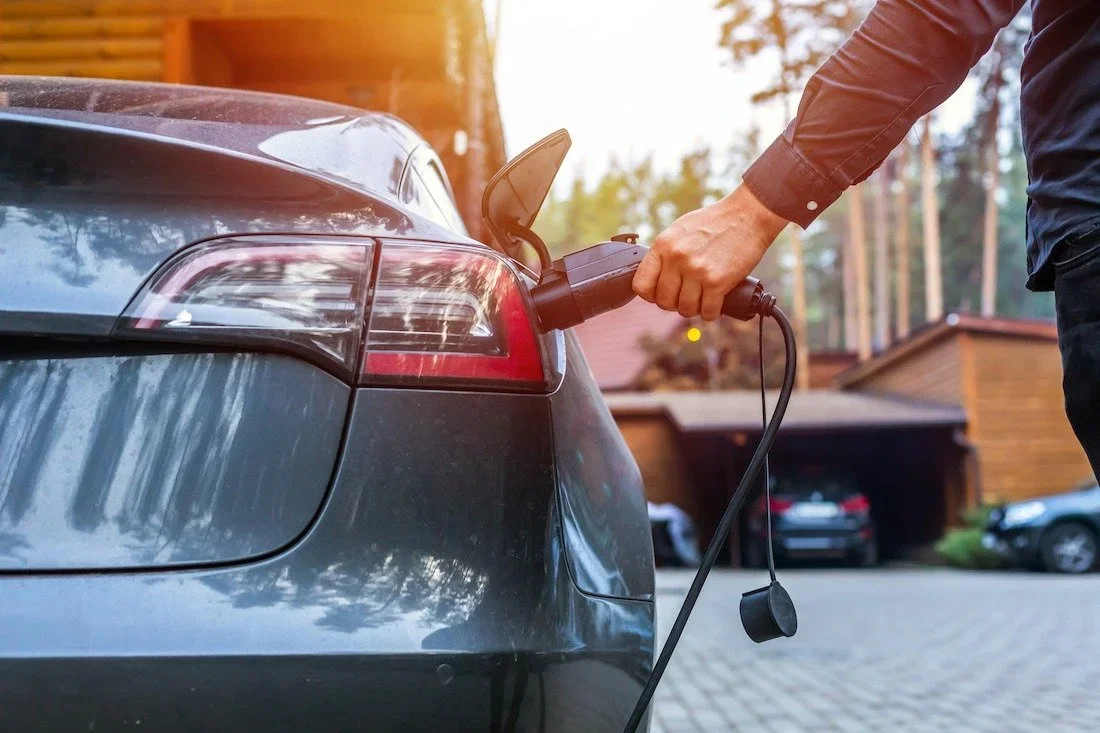
A driver connects a used EV to a newly installed municipal Level 2 public charging station at a multi-family dwelling complex during golden hour.
New EV sales headlines have been rough lately. Q1 2026 numbers from Cox Automotive show a 28% year-over-year decline in new battery-electric vehicle (BEV) purchases, with the expiration of the $7,500 federal tax credit taking most of the blame. It's a real contraction, and the industry is feeling it.
But if you run EV charging infrastructure, the more important story is happening one row over in the spreadsheet.
Used EV sales jumped 12% year-over-year in Q1 2026, reaching 93,500 units. According to recent market data on used vehicle values, the average price of a used EV is now $34,821, within $1,300 of a comparable internal combustion engine (ICE) vehicle. That gap was over $10,000 as recently as 2023. Used EVs are also turning on dealer lots in an average of 42 days, nearly the same pace as combustion vehicles. This isn't a clearance event; it's genuine demand from a new category of buyer.
Why this matters for charging operators
The used EV buyer is a different profile than the early adopter who leased a Model 3 in 2022. They're more price-sensitive, more likely to live in a multi-family home (MUD) without a Level 2 charger in the garage, and more dependent on public DC fast charging infrastructure to keep their vehicle running day-to-day. As this segment grows, public charging networks aren't just a convenience—they're a necessity.
The volume behind this shift is substantial. Cox Automotive projects that EV and PHEV lease returns will ramp dramatically through 2026 and into 2028, with monthly volumes expected to reach around 240,000 total units at peak, roughly 20% of which will be electric. These secondary market buyers will be looking for reliable CPO (Charge Point Operator) services.
Meanwhile, the underlying usage trend hasn't wavered. US public charging sessions hit 141 million in 2025, up 30% year-over-year, with 5.8 million EVs currently on the road. New vehicle sales dipped, but the installed base kept growing and kept charging.
What this means for fleet operators
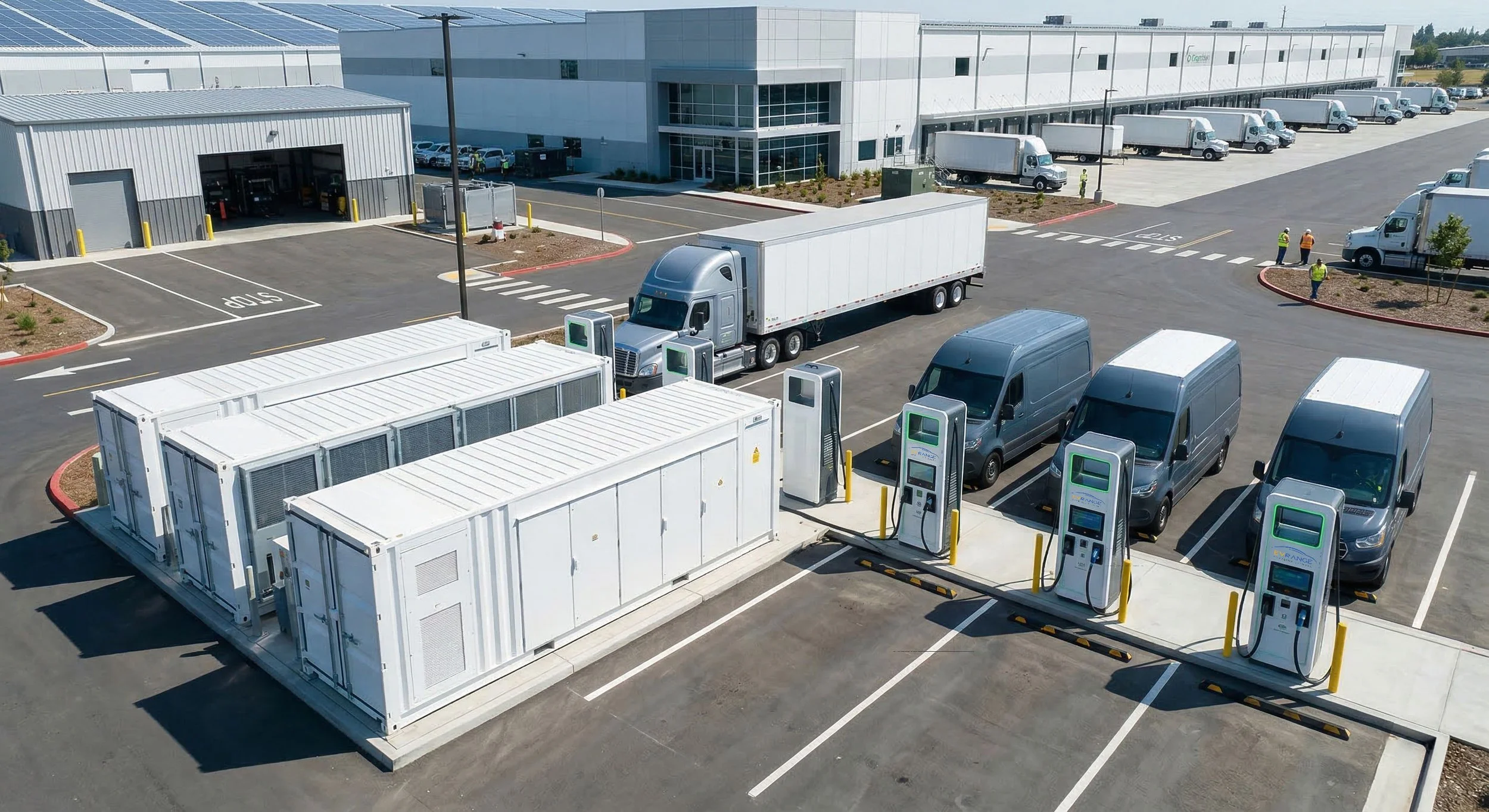
Fleet managers have an opportunity here that's easy to miss. Used EVs acquired now, with near price parity to gas vehicles and aggressive discounts on new inventory (average transaction prices for new EVs fell to $55,300 in February), represent a compelling Total Cost of Ownership (TCO) case even without federal incentives.
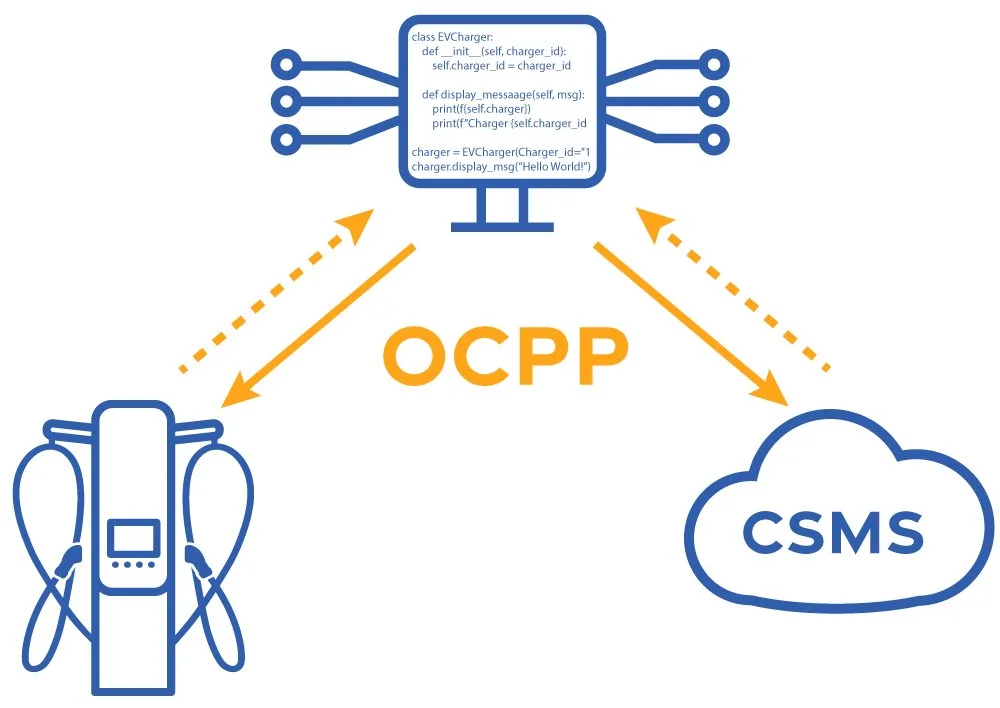
But adding lower-cost EVs to a mixed fleet introduces complexity on the charging side. Older model years, varied connector configurations (CCS vs. NACS), and different charge rate capabilities all create management challenges. A Charging Station Management System (CSMS) that gives you real-time visibility into session status, energy draw, and vehicle-level data is essential for maintaining uptime.
The takeaway
The Q1 softness in new EV sales is driven by incentive policy, not by a retreat from electric mobility. Consumers are still buying EVs; they are simply shifting to the used market where the math finally works. That wave will hit charging stations throughout 2026 and 2027. The CPOs and fleet operators who prioritize infrastructure reliability now will be in the strongest position.
The vehicles are already sold. The question is whether the infrastructure is ready to support them.