
The 2026 Used EV Market Shift: Strategic Data for Commercial Property Owners
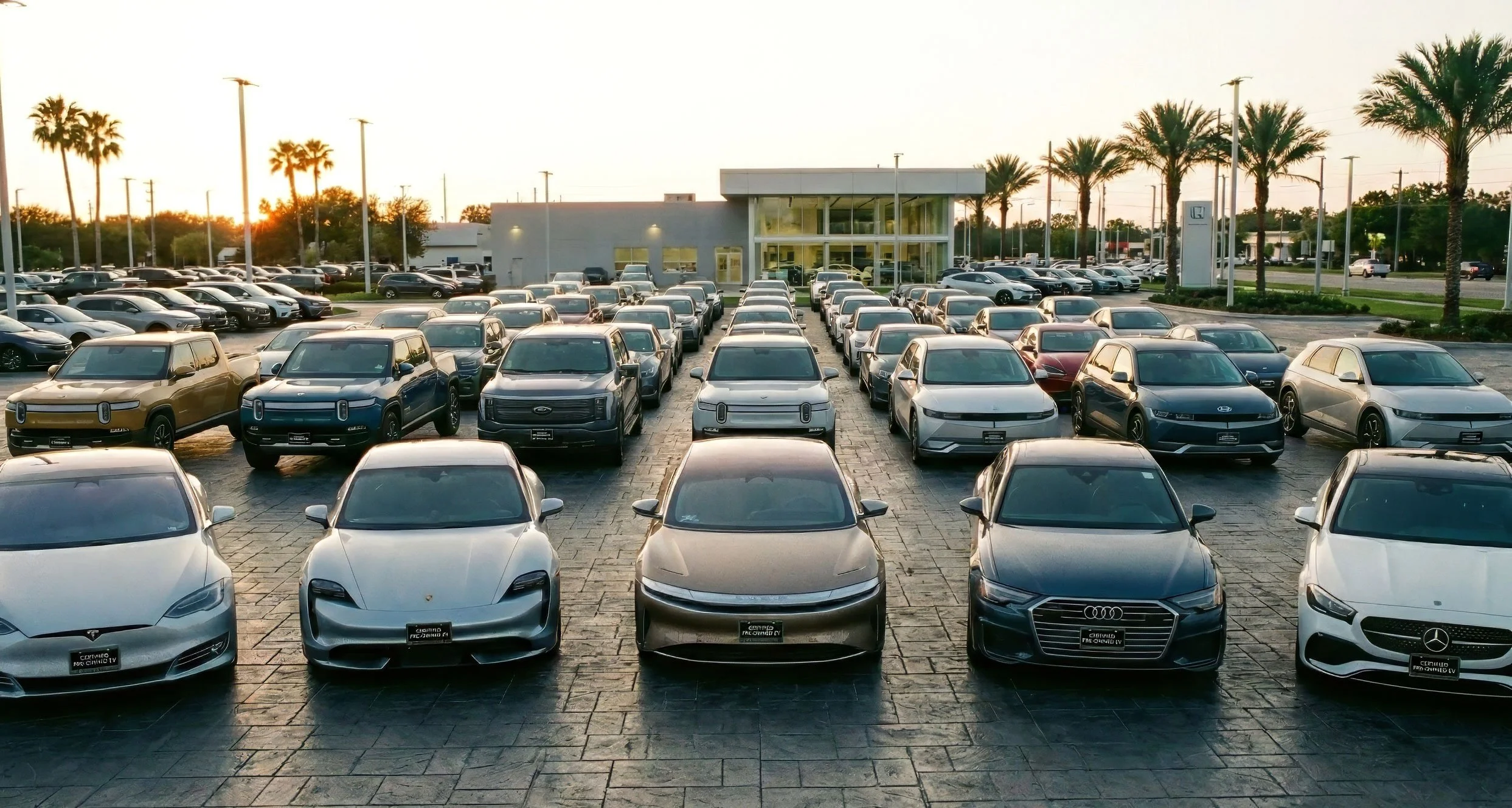
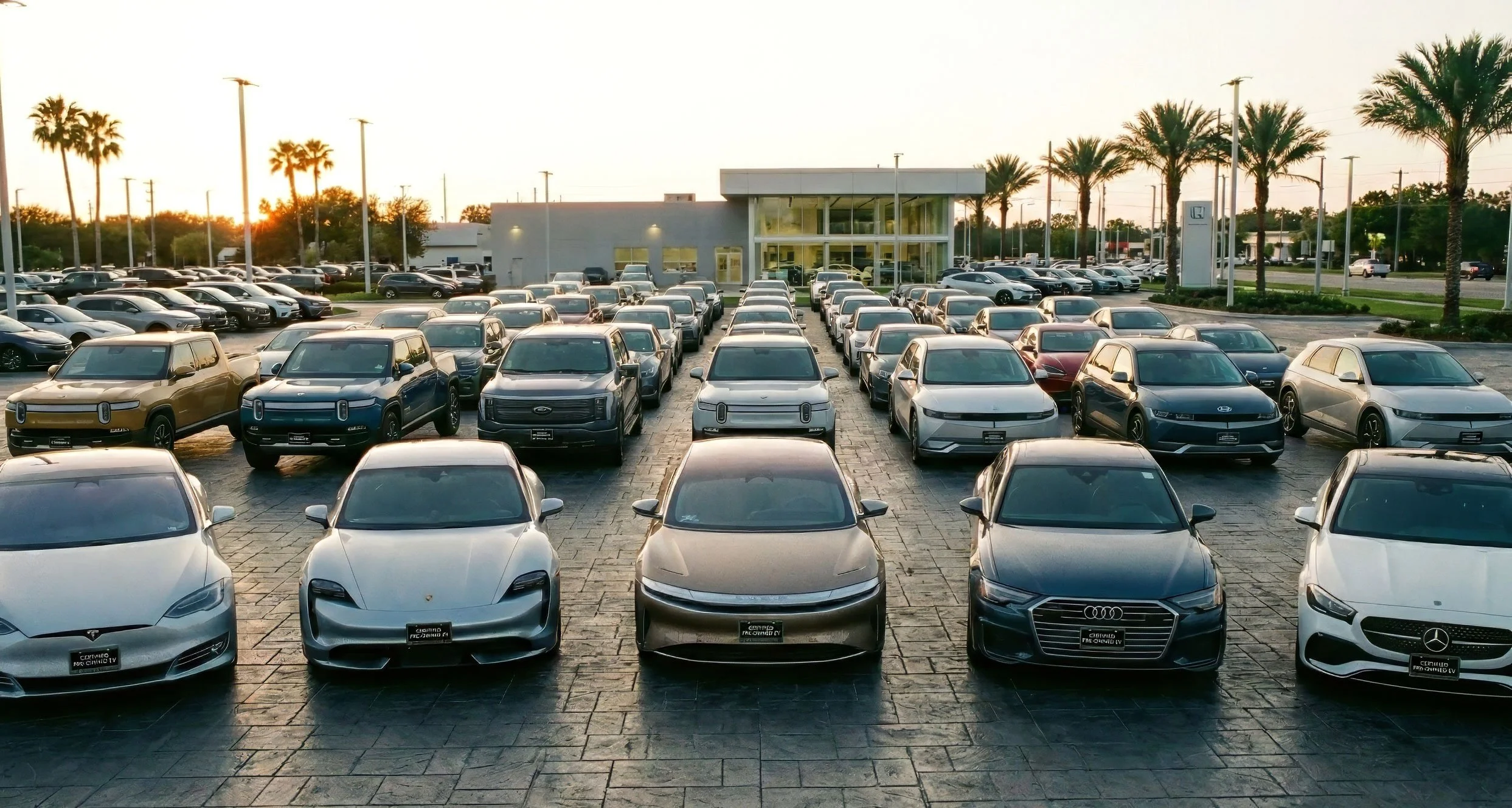
The 2026 Inventory Influx: As off-lease volume hits a historic peak, a new segment of mainstream drivers is entering the market, increasing the immediate demand for accessible DC fast-charging infrastructure at retail and commercial properties.
As of January 2026, the electric vehicle market has entered a significant phase of maturity. The primary driver is a substantial influx of high-quality used inventory. This shift transitions EV ownership from a niche demographic to a mainstream market, creating a specific requirement for commercial real estate: the transition of DC fast charging from a premium amenity to essential infrastructure.
The 2026 Inventory Shift: How 2023 Leases are Shaping Today’s Market
The current volume of used EVs is the direct result of federal policy and manufacturer incentives from three years ago. Between 2023 and 2025, the Commercial Clean Vehicle Credit allowed automakers to offer aggressive lease terms by bypassing strict assembly requirements. By the second quarter of 2025, leasing accounted for approximately 58 percent of new EV transactions. [Experian Automotive]
These vehicles are now returning to the market as used inventory. Data projections show a steep trajectory:
2025: 123,000 lease returns.
2026: 330,000 lease returns.
2027: 650,000 lease returns.
[J.D. Power and Recurrent Auto]
Most of these vehicles are 2022 and 2023 models with low mileage and significant remaining battery warranties. This creates a secondary market of reliable, technologically current vehicles available to a broader range of consumers.
Pricing and Market Correction
Used EV prices have corrected to a point of parity with internal combustion engine (ICE) equivalents. The average price for a used EV now ranges between $34,704 and $37,000. For the first time, the price premium over gasoline vehicles has narrowed to less than $900.
Approximately 33 percent of used EV inventory is currently listed under $25,000. Major models available in early 2026 include:
Tesla Model 3: High availability starting near $30,000.
Volkswagen ID.4: Competitive listings under $20,000.
Hyundai Ioniq 5: Widely available near $18,000.
Chevrolet Equinox EV: Entry-level pricing under $22,000.
This price reduction removes the primary barrier to EV adoption. As 32 new EV models launch throughout 2026, the density of electric vehicles in suburban and urban retail corridors will increase significantly.
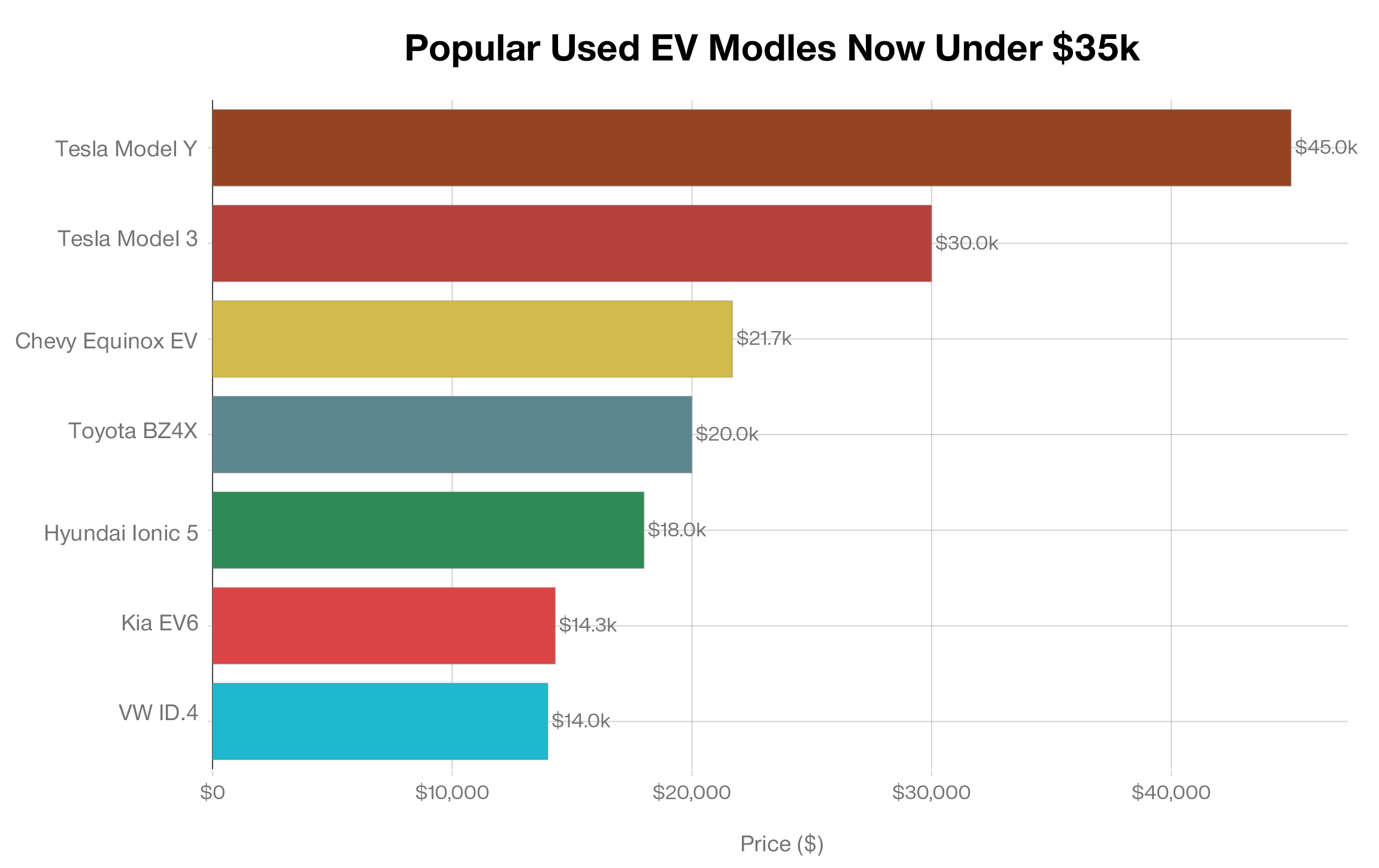
Price Parity Realized:Used EV prices have corrected to within $900 of their gasoline counterparts. Industry analysis from [J.D. Power] and [Recurrent Auto] indicates that this influx of off-lease inventory is removing the "affordability barrier" and driving a projected 200 percent increase in used EV transactions through 2026.
Consumer Behavior: The DC Fast Charging Economics
The increase in used EV drivers creates a specific captive audience for property owners. Because many used EV buyers may live in multi-family housing without dedicated home charging, they rely heavily on public fast-charging infrastructure.
Retail data indicates that EV drivers exhibit specific shopping behaviors during charging sessions:
Dwell Time: The average DC fast charge lasts 42 minutes. [Energetics analysis of 2.4 million sessions]
Engagement: 80 percent of drivers shop during their session.
Conversion: 89 percent of drivers make a retail purchase while charging.
Transaction Value: Drivers spend an average of $42 per charging visit.
Unlike gasoline refueling, which is a five-minute errand, DC fast charging is a 40-minute destination event. For retail and mixed-use properties, this translates to a measurable increase in foot traffic and revenue.
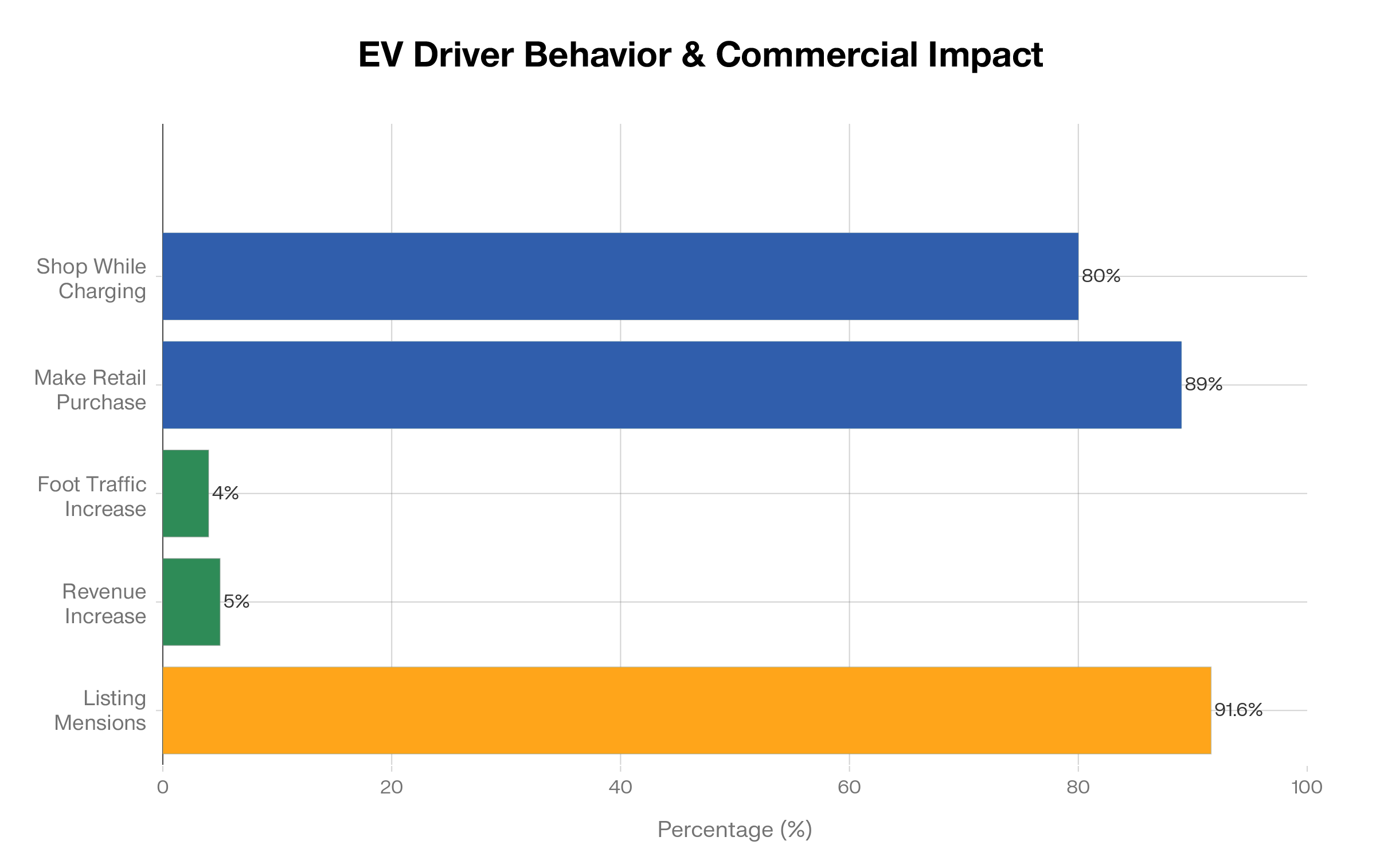
The Retail Impact: DC fast charging infrastructure is a verified driver of site monetization. Studies from [MIT News] and consumer surveys by [EVgo] show that 80 percent of drivers shop while charging, spending an average of $1 per minute during their stay.
Commercial Real Estate ROI and Valuation
Infrastructure for EV charging is no longer just an operational expense. It is a driver of property value. Analysis of commercial listings in 2025 showed a 91.6 percent year-over-year increase in mentions of EV charging infrastructure. [Hunker / Realtor.com Market Trends]
Key performance indicators for properties with DC fast chargers include:
Increased Foot Traffic: A 4 percent average increase in site visits.
Revenue Growth: A 5 percent increase in associated retail revenue.
Asset Appreciation: Property value increases ranging from 4.5 percent to 19 percent in mature EV markets.
Immediate Deadlines: Tax Credits and Building Codes
Two regulatory factors make the first half of 2026 a critical window for installation.
30C Federal Tax Credit
The 30C Alternative Fuel Vehicle Refueling Property Credit is scheduled to expire on June 30, 2026. This credit allows property owners to offset up to 30 percent of installation costs, with a maximum credit of $100,000 per location. Projects must be completed and placed in service before this deadline to qualify. [Internal Revenue Service (IRS) Section 30C]
California Building Standards
Effective January 1, 2026, the updated California building code mandates EV charging infrastructure in most new parking developments and significant renovations. This sets a nationwide precedent for building requirements, positioning properties with existing chargers ahead of future compliance mandates. [2025 CALGreen Building Standards]
Conclusion
The 2026 used EV surge represents a permanent shift in consumer vehicle composition. For property owners, the data suggests that installing DC fast charging infrastructure is a defensive necessity to maintain property relevance and an offensive strategy to capture high-value consumer spend. Success in this landscape requires meeting the June 30 tax credit deadline to maximize return on investment.
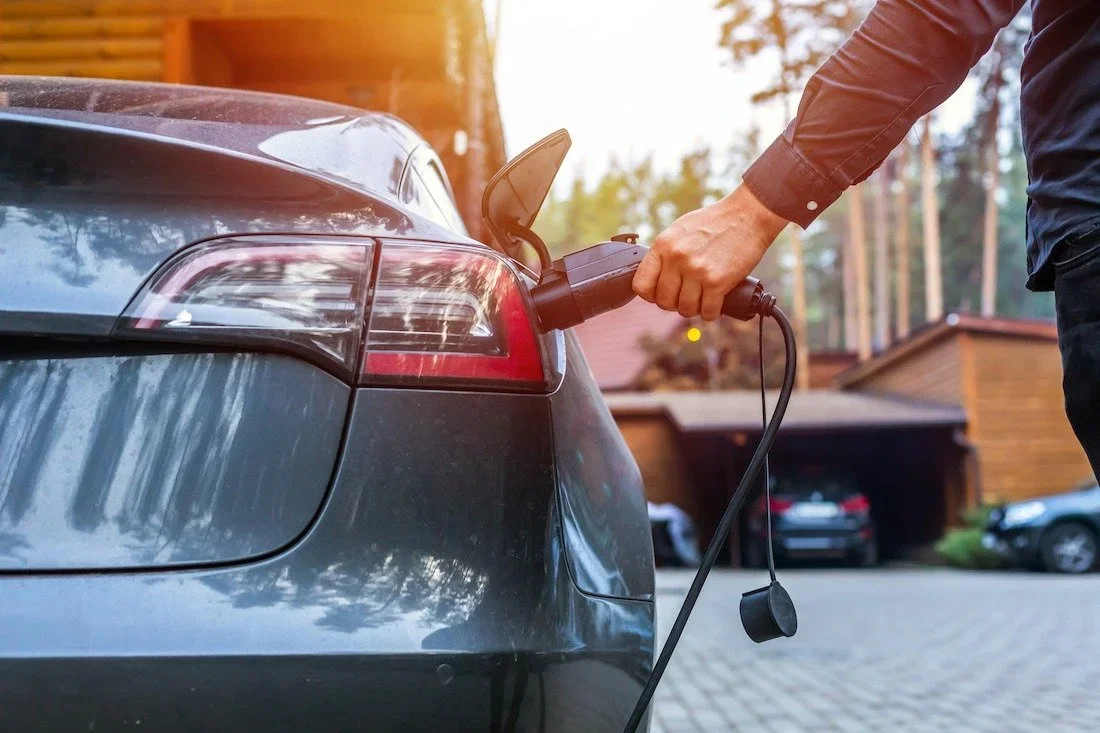
EV Range is currently offering a limited portfolio of shovel-ready, 30C-eligible sites available for immediate deployment. For investors and commercial operators, the primary barrier to maximizing infrastructure ROI is the time required to identify, license, and engineer compliant locations before federal deadlines. We have removed that barrier.