Secure Your Infrastructure ROI: Immediate Deployment of 30C-Eligible Shovel-Ready EV Charging Sites
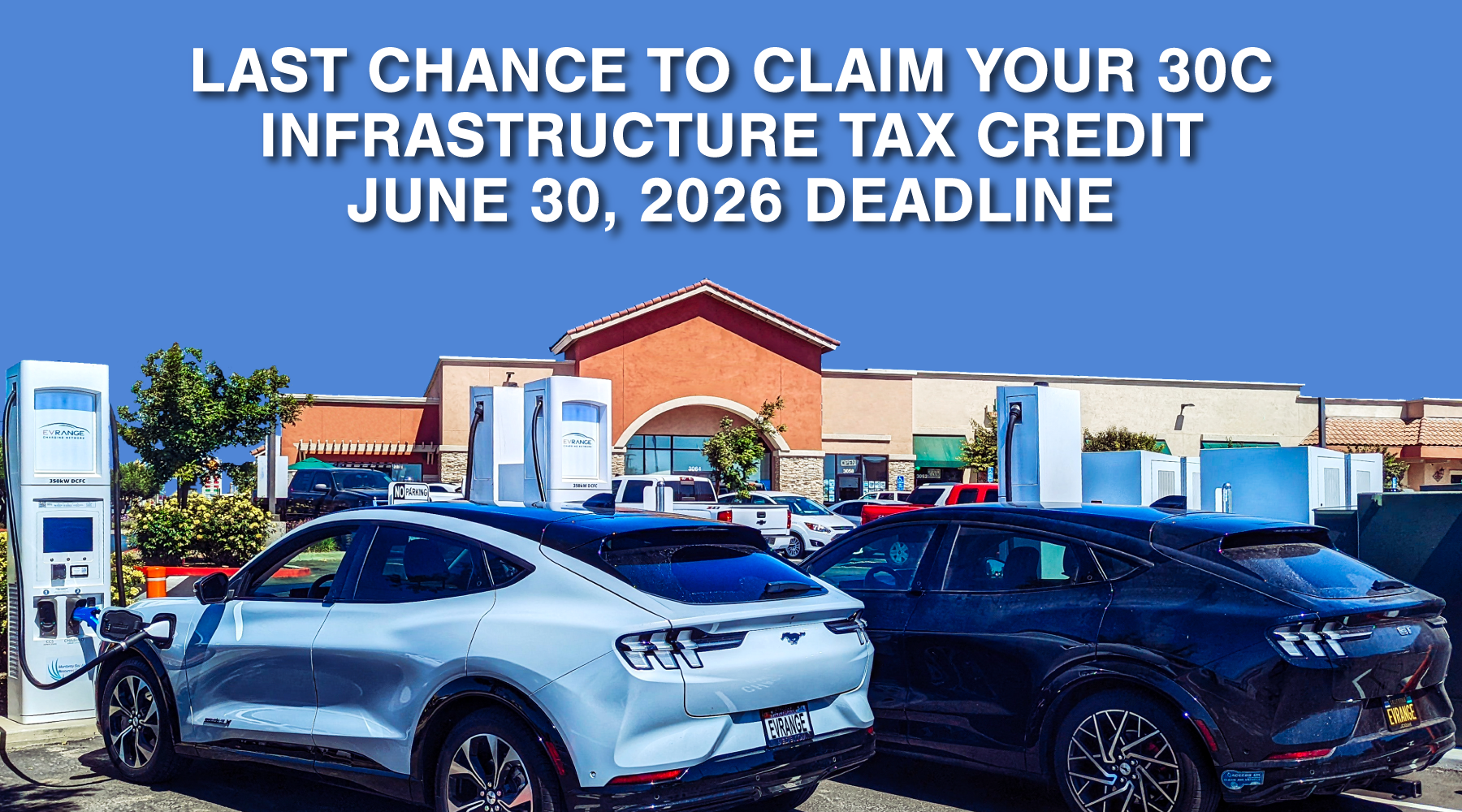
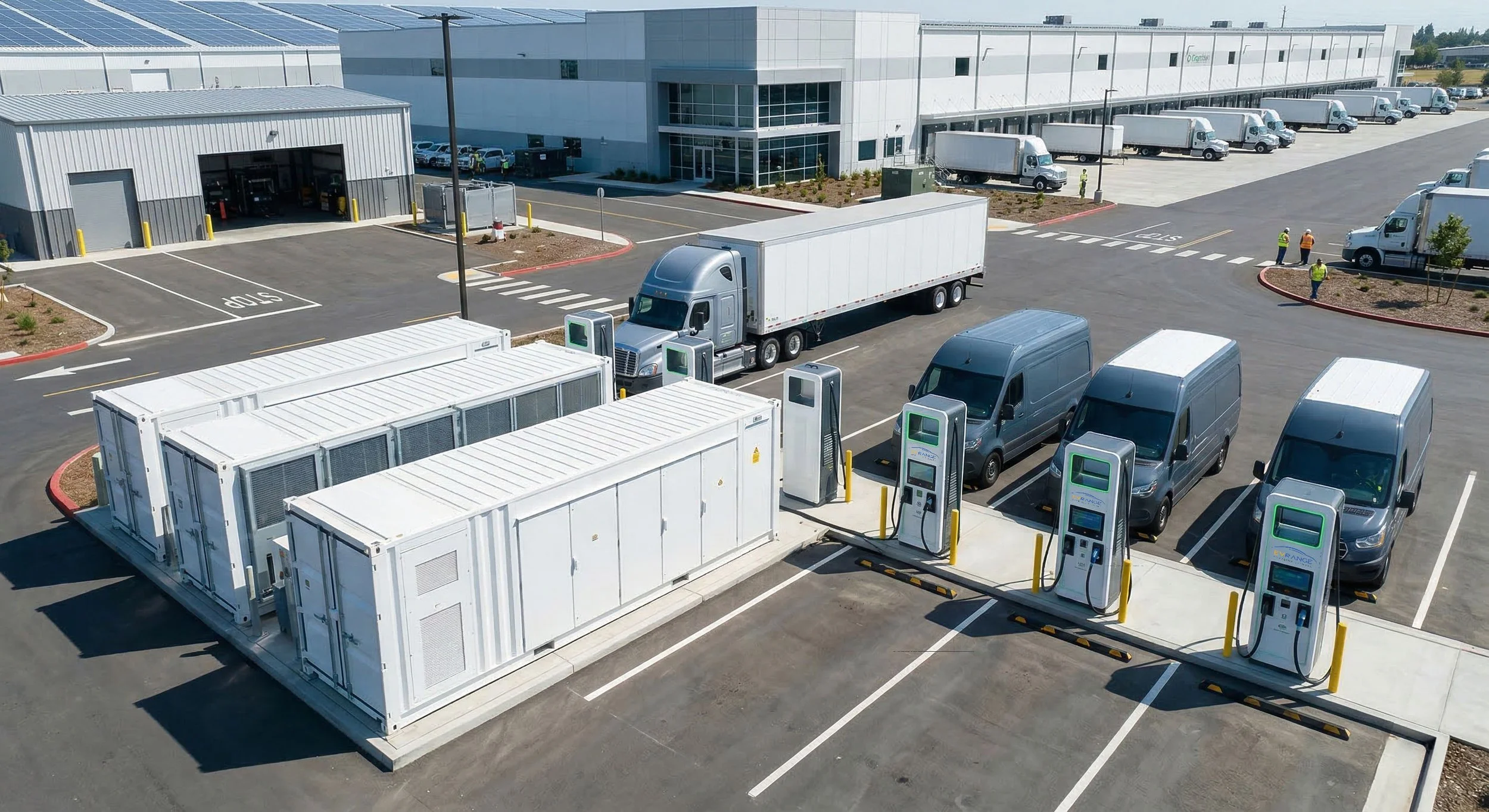
A high-power EV charging hub by EV Range
This is your last chance to leverage the Section 30C tax credit before it expires forever.
EV Range is currently offering a limited portfolio of shovel-ready, 30C-eligible sites available for immediate deployment. For investors and commercial operators, the primary barrier to maximizing infrastructure ROI is the time required to identify, license, and engineer compliant locations before federal deadlines. We have removed that barrier.
These sites are strategically located in high-incentive areas and have undergone engineering and site licensing, significantly reducing the lead time to operational status. By acquiring these assets, investors can leverage the full 30% federal credit to stabilize their infrastructure portfolio while the incentive remains active.
How EV Range Delivers
EV Range provides the professional software backbone that ensures long-term operational success through 24/7 proactive monitoring and high uptime. Our in-house EPC subsidiary handles the heavy lifting—from engineering and site design to construction and commissioning. This single-point accountability is essential for meeting the strict "placed in service" requirements of the 30C credit.
Don't miss the final opportunity to scale your charging network with federal support. Contact EV Range today at info@evrange.com for a technical briefing or to review our portfolio of available 30C-eligible projects.
Understanding the Section 30C Credit
The Section 30C Alternative Fuel Vehicle Refueling Property Credit is one of the most effective tools for offsetting the costs of EV infrastructure, but with its termination date fast approaching, the window for strategic deployment is narrow.
The Section 30C credit is available only for qualifying property placed in service on or before June 30, 2026. For property owners and fleet operators, this represents the final window to offset significant infrastructure costs through federal incentives. Understanding the specific compliance landscape is necessary to ensure your investment qualifies for maximum capital recovery.
Core Requirements for Section 30C
Credit Amount: Eligible businesses may receive a tax credit ranging from 6% to 30% of the depreciable costs of hardware and installation.
Per-Item Credit: The credits are available up to $100,000 per single item of qualified charging property, which effectively applies to each individual charging port or fuel dispenser.
Labor Standards: To receive the full 30% credit, projects must satisfy specific prevailing wage and apprenticeship requirements defined by the U.S. Department of Labor.
Location Eligibility: For commercial and fleet projects, the charging equipment must be located in an eligible low-income or non-urban census tract to qualify.
Operational Deadline: Equipment must be placed in service and operational by the June 30, 2026, deadline to be eligible for the credit.

EV Range is currently offering a limited portfolio of shovel-ready, 30C-eligible sites available for immediate deployment. For investors and commercial operators, the primary barrier to maximizing infrastructure ROI is the time required to identify, license, and engineer compliant locations before federal deadlines. We have removed that barrier.