California EV Charging Grants 2026: Navigating the New Incentive Landscape
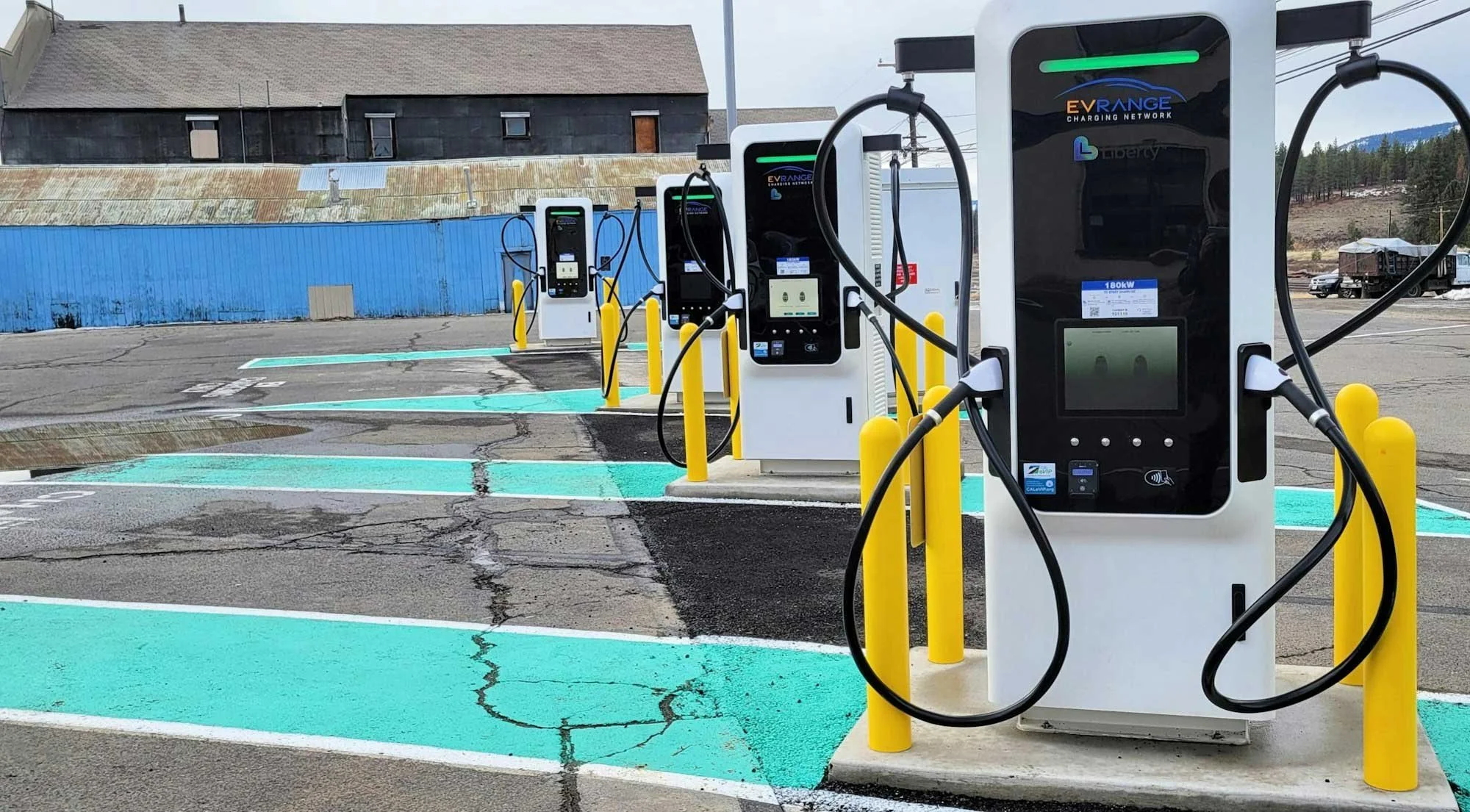
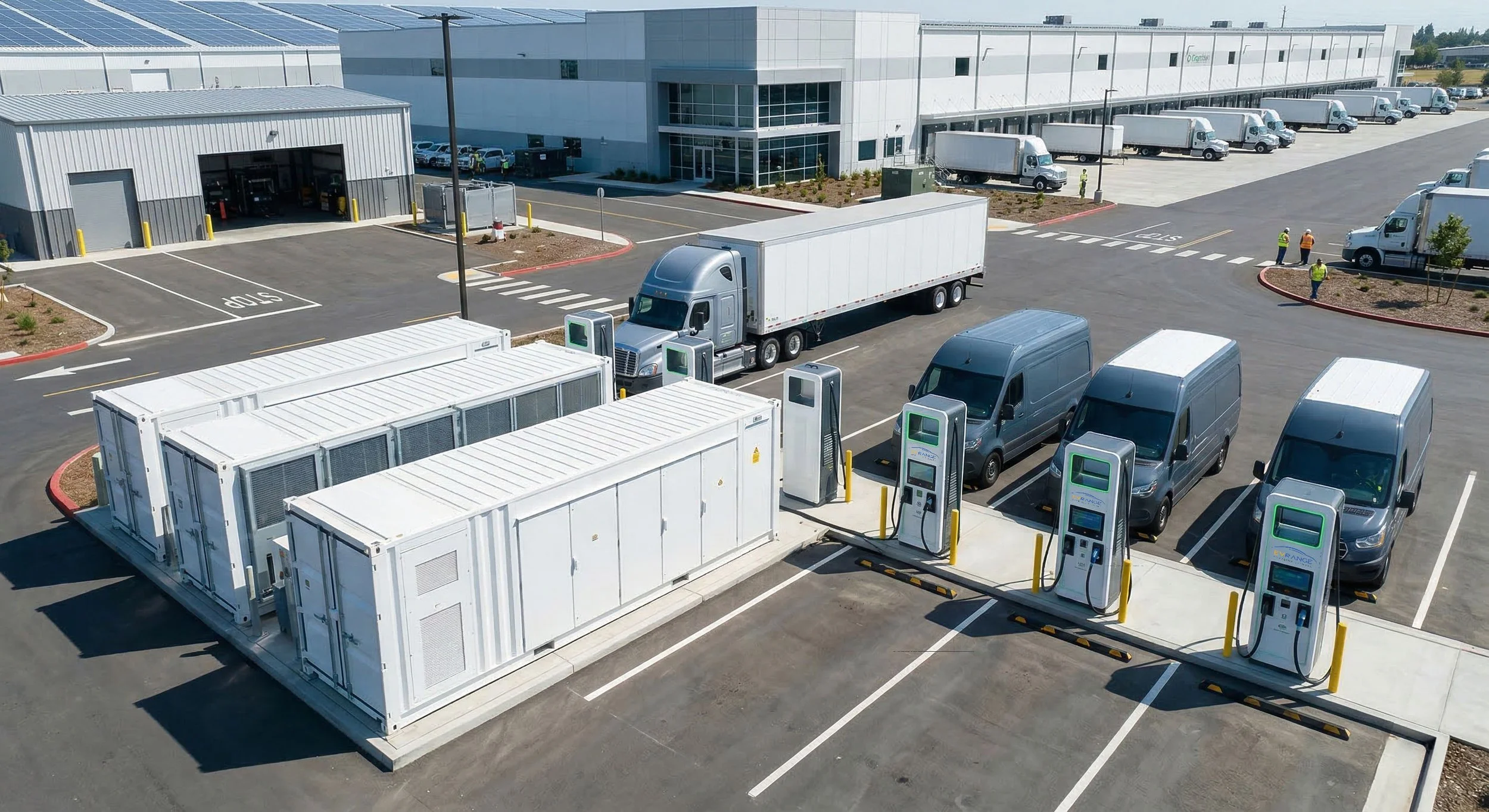
EV Range high-power DC charging hub.
With the expiration of federal EV tax credits at the end of 2025, California is stepping up to ensure the state’s transition to zero-emission vehicles doesn't lose momentum. For charging network operators, commercial property owners, and fleet managers, 2026 represents a pivotal year.
The combination of Governor Newsom’s new $200 million ZEV rebate proposal and the California Energy Commission’s (CEC) $79 million NEVI grant round creates a unique "double-win" for the industry: a surge in new EV drivers coupled with direct funding for high-speed infrastructure.
The Newsom $200M Proposal: Replacing the Federal Gap
Governor Newsom’s 2026–27 budget proposal aims to fill the void left by the sunsetting federal $7,500 credit. This $200 million infusion is designed to stabilize the market and maintain California's status as the nation’s leader in EV adoption.
Point-of-Sale Impact: Unlike traditional tax credits, these rebates are intended to be "on the hood" instant discounts, making EVs immediately more affordable for income-qualified buyers.
Driving Utilization: By lowering the barrier to entry for consumers, this program will directly increase the "cars-to-chargers" ratio, ensuring that new charging installations see high utilization rates from day one.
Legislative Timeline: The administration is pushing for quick legislative approval to prevent a prolonged dip in sales following the federal credit's expiration.
$79M in NEVI Grants: Building the Highway Spine
While the rebates drive demand, the National Electric Vehicle Infrastructure (NEVI) program is funding the supply. The CEC has opened its third solicitation (GFO-25-602), offering $79 million to build out DC fast chargers (DCFC) along California’s Alternative Fuel Corridors.
Key Requirement: These grants require stations to be capable of charging four vehicles simultaneously at 150kW+ each and must be located within one mile of designated highway off-ramps.
For private firms like EV Range, this solicitation is a massive opportunity to expand high-power networks. Applications close March 25, 2026, and require strict adherence to NEVI standards, including 97% uptime requirements and interoperable payment systems.
Strategic Opportunities for Site Hosts
If you own a commercial property along a major California highway, now is the time to position your site for a partnership. For commercial properties, DC fast charging functions as a strategic utility; it serves both to capture recurring traffic from high-mileage drivers and to ensure site relevance as the state’s vehicle fleet undergoes electrification.
Retail & Hospitality: Attract high-spending EV travelers during 20–30 minute charging sessions.
Reduced Capital Outlay: By partnering with experienced operators who leverage NEVI grants, site hosts can often upgrade their electrical infrastructure with significantly reduced CapEx.
Future-Proofing: Complying with 2026 standards now ensures your property meets upcoming state mandates for accessible and reliable charging.
| 2026 California EV Incentive Deadlines | |||
|---|---|---|---|
| Incentive Program | Amount | Application Deadline | Primary Target |
| ZEV Rebates (Proposed) | $200M | Pending Legislation | Consumers (Instant Rebates) |
| NEVI Grant (GFO-25-602) | $79M | March 25, 2026 | Highway Operators/Private Firms |
| CALeVIP 2.0 (Fast Charge) | Varies | January 29, 2026 | Publicly Accessible DCFC |
| 30C Tax Credit (Federal) | 30% | June 30, 2026 | Eligible Census Tracts |
How EV Range Can Help
The landscape of California EV charging grants in 2026 is complex, but the potential for growth has never been higher. Whether you are looking to host a site or need a full-service commercial installation that meets NEVI's rigorous standards, expert guidance is essential to securing these funds before they are exhausted.
EV Range is currently offering a limited portfolio of shovel-ready, 30C-eligible sites available for immediate deployment. For investors and commercial operators, the primary barrier to maximizing infrastructure ROI is the time required to identify, license, and engineer compliant locations before federal deadlines. We have removed that barrier.